
Discover Unique Wellness With Group Camping and Retreats
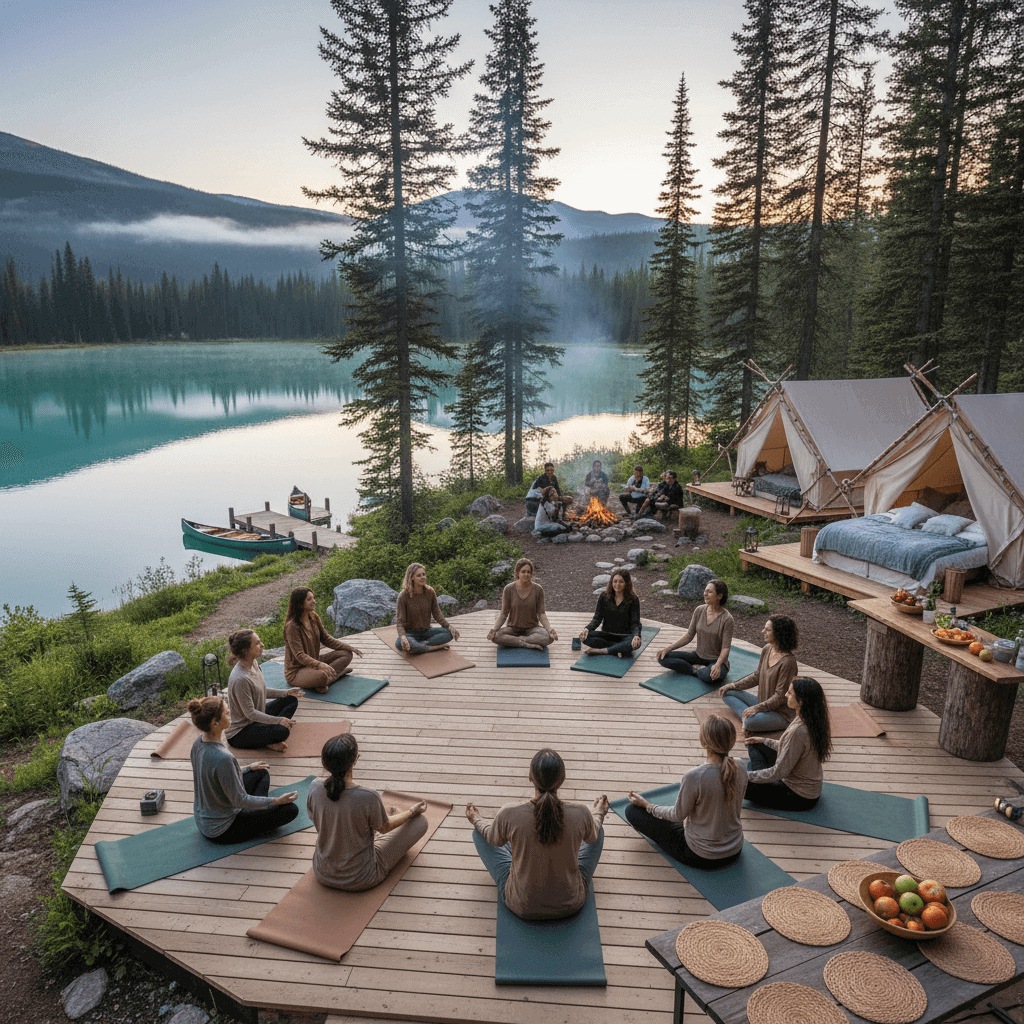
Group camping and retreats offer a great way to improve health and find balance. When folks come together outside to chill out, get active, and bond, something special happens beyond just doing activities. Sitting around a campfire sparks fresh views, while group routines build a rhythm that helps people pick up new habits. These moments make a real difference for anyone looking to refresh mind and body. Keep reading to discover how these simple experiences can change life for the better.
In this article I explain how group camping and retreats support physical stamina, stress reduction, social ties, and restful sleep. You will find examples of group activities, data backed ideas on why outdoor time matters, and practical steps you can take when planning or joining a retreat. This is written for people who want real outcomes from time away without jargon or vague promises.
Why group camping supports meaningful wellness gains
Spending time outdoors changes physiology. Studies show that exposure to green space lowers heart rate and reduces stress hormone levels. When those benefits combine with a sense of community you get a stronger effect on mood and motivation. Group camping brings routine and ritual. Simple shared tasks such as cooking or trail maintenance create small wins that build confidence and reduce anxiety.
Another gain comes from slowed pace. Many retreats remove constant notifications and schedules, providing space for reflection. Even a single weekend where screen time is limited can result in measurable improvements in focus and sleep quality. That shift is often more pronounced when people share reflections during group circles or guided conversations.
Social connection and mental health benefits
Human beings are social animals. Time with others in a relaxed outdoor setting supports a sense of belonging. For people who feel isolated, a retreat can be a gateway to new friendships and ongoing local groups. Small group sizes work best because they allow deeper conversation and trust to form.
- Tip: Choose retreats with clear community rules and facilitated sharing times. That structure helps quieter people participate.
- Example: A weekend hike series where people alternate leading routes can create shared responsibility and equal voice.
- Insight: Group problem solving around campsite tasks builds resilience and a sense that challenges can be handled collectively.
Mental health benefits include reduced loneliness, lower perceived stress, and an increased sense of meaning. These outcomes are especially strong when group activities include reflective practices such as journaling or guided discussion.
Physical movement and outdoor routines that stick
Many group retreats include movement that ranges from gentle stretching to moderate hikes. The social context increases adherence. People are more likely to show up for a morning walk when others are waiting. That social accountability can turn one-off movement into repeat habits.
Practical tips for movement at retreats
- Start with short walks to build inclusion for all fitness levels.
- Offer options such as nature walks, low impact yoga, and body weight circuits that require no equipment.
- Schedule movement at consistent times so attendees can build a routine.
Physical gains include improved circulation, better mood via endorphin release, and improved sleep. Even light activity outdoors increases vitamin D exposure which supports bone and immune health. When guides or hosts vary intensity and pace they widen the appeal of an event.
Mindful approaches and small rituals that deepen rest
Retreats that include mindful practices give people tools they can use back home. Mindfulness does not need to be formal meditation sessions only. It can be practiced during simple tasks such as slow tea preparation, quiet observation at dawn, or mindful walking.
Simple mindfulness exercises to use at camp
- Five minute breathing practice each morning to set a calm tone for the day.
- Sensory check ins during nature walks where participants name three sounds and three textures they notice.
- Evening gratitude circle where each person shares one sincere observation.
How ritual supports sleep and recovery
Light rituals reduce cognitive load before bedtime. Turning off headlamps and screens at a set time, dimming camp lighting, and having a quiet period of reading or soft conversation helps the nervous system shift into rest. Hosts can encourage consistency by modeling these habits and explaining why they matter.
Practical planning tips for a restorative group camping retreat
Good planning ensures the time away delivers the intended benefits. Start by agreeing on group intentions. Is the goal movement and nature skills, deeper rest, or relational bonding? Clear intent allows leaders to pick appropriate activities and set expectations for pace and logistics.
Checklist for hosts and attendees
- Declare group size limits that match facilities and desired intimacy.
- Plan daily rhythms with fixed windows for movement, discussion, and free time.
- Create a simple menu that balances healthy food and comfort food for morale.
- Include contingency plans for weather and injury with clear emergency contacts.
Accessibility and inclusion tips
Choose routes and campsites that allow a range of mobility. Offer options for quieter participation such as sitting in on a group circle rather than leading a hike. Share packing lists that include items for warmth and insect protection to keep participants comfortable.
Finding the right retreat for your goals
When selecting a retreat think about group size, leader credentials, and the style of activities. Some events prioritize silent time while others are more social. Read descriptions carefully and reach out to organizers with specific questions about schedule and expected level of activity.
If you want to read more about how group camping supports health and wellbeing you can consult reliable sources such as Happy Eco News for summaries and examples. That kind of background reading helps set realistic expectations before you register for an event.
Examples of retreat formats and what each offers
Retreat formats vary widely and each has trade offs. Below are common formats and what participants typically gain from each.
- Backpacking micro retreat over two nights for people who want active immersion and fewer distractions.
- Family camping retreat that includes child friendly activities and shared family time to build connection.
- Wellness weekend at a lakeside site with gentle movement classes and group meals for social bonding.
Choose the format that aligns with the intensity and rest you seek. If uncertain, start with a day event or a single overnight to test the group vibe.
How to measure outcomes from a retreat
Collecting simple metrics can show whether a retreat met goals. Post event surveys that ask about sleep quality, perceived stress, and social connection provide useful feedback. Hosts can use short scale items to measure changes in mood or habit adoption after the event.
- Tip: Ask attendees to rate their sleep and stress on a 1 to 5 scale before the retreat and one week after.
- Tip: Track how many attendees stayed engaged in group chats or follow up meets as a sign of sustained social ties.
These simple measures help hosts improve programming while giving participants evidence that time spent away had a lasting effect on wellbeing.
Conclusion
Group camping and retreats are practical ways to pursue unique wellness. They combine nature exposure, shared responsibility, movement, and quiet time to create an environment where new habits can form and social bonds can strengthen. Whether you want gentle rest or moderate activity there is a retreat format that will match your needs. Think ahead about group size, daily rhythm, and accessibility when choosing or planning an event. Try a short outing first if you are curious. If you lead groups include simple evaluation steps to track outcomes and refine your offerings. If you are looking for a starting point for research and ideas consult reliable write ups and community resources to set realistic expectations and avoid overpacked itineraries. Take action by signing up for a nearby day event or a single overnight retreat this season and notice small changes in sleep, mood, and connection in the weeks after.


